A tennis bracelet is a flexible strand of identically cut, identically sized gemstones set edge to edge in a continuous line, traditionally in gold or platinum. The name has nothing to do with sport equipment and everything to do with a 1987 match, when tennis player Chris Evert stopped play to search for a diamond bracelet that had slipped off her wrist mid-game.
The Construction Behind the Classic
What separates a tennis bracelet from any other bracelet is the symmetry. Instead of a pendant, charm, or single focal stone, you get a repeating row of stones, usually round brilliants, but sometimes baguettes, ovals, or mixed cuts like the Lab Grown White Sapphire and Canary Mixed Shape Tennis Bracelet. Each stone sits in its own prong or bezel setting, and the settings are linked with tiny hinges so the whole piece drapes like fabric rather than sitting stiff.
A few construction details worth knowing before you shop:
- Prong settings show off more light through the stone and read a little more delicate, like the Lab Grown Diamond Georgian Tennis Bracelet.
- Bezel settings wrap a thin rim of metal around each stone, which protects the edges and gives a cleaner, more minimal look.
- Box clasps with a safety hook are the standard for security. A single hook alone isn't enough for a bracelet you plan to wear daily.

What Determines Quality
Not all tennis bracelets are built the same, and the differences show up in three places.
- Metal. Solid 14k or 18k gold will hold up for decades of daily wear, while gold vermeil (sterling silver plated in a thick layer of gold) gives you the look at a lower price point, seen in pieces like the White Sapphire Mixed Shape Tennis Bracelet.
- Stone type. Natural diamonds carry the highest price per carat. Lab grown diamonds are chemically identical to natural stones but cost meaningfully less, which is why designs like the Bold Lab Grown White Sapphire X Estate Tennis Bracelet and the Lab Grown White Sapphire X Estate Tennis Bracelet have become so popular. If you're deciding between the two, it's worth reading through the lab grown versus natural diamond breakdown before you commit.
- Sourcing. Aurate builds every piece, including the Classic Diamond Tennis Bracelet, from recycled gold, which pulls demand away from new mining. Diamonds and gemstones are ethically sourced and traceable.
Color has also become part of the conversation. Pieces like the Pink Ombré Baguette Tennis Bracelet, the Pink Ombré Mixed Shape Tennis Bracelet, and the Ombré Rainbow Tennis Bracelet trade the traditional white diamond line for a gradient of hand-selected stones, while the Ombré Rainbow Baguette Tennis Bracelet does the same in baguette cuts.

Wearing and Layering a Tennis Bracelet
A tennis bracelet was built for movement, which is exactly why it works for daily wear rather than special occasions only. Fit matters more than most people expect: you want to be able to fit about two fingers between the bracelet and your wrist when it's clasped, giving enough room to move without letting the piece slide around.
For layering, a scalloped design like the Lab Grown Blue Sapphire and White Sapphire Scalloped Tennis Necklace pairs its bracelet and necklace as a matched set, and the White Sapphire Double Row Tennis Bracelet with its matching Double Row Tennis Necklace gives you a two-row option if you want more presence on the wrist without stacking multiple pieces. If you'd rather explore the full range before deciding, the tennis collection has every cut, metal, and stone option in one place, including collaborative pieces from the Aurate x Wilson collection.
Caring for a Tennis Bracelet
- Store it flat or in a soft pouch, away from other jewelry that could scratch the metal or loosen a prong.
- Remove it before swimming, exercising, or applying lotion, since chemicals and repeated impact wear down settings faster than daily wear alone.
- Have the prongs checked periodically. A loose prong is the most common reason people lose a stone, and it's an easy fix before it becomes a bigger one.
- Clean it with a soft cloth and mild soap rather than harsh jewelry cleaners, which can damage vermeil plating over time.
Checkout these necklaces
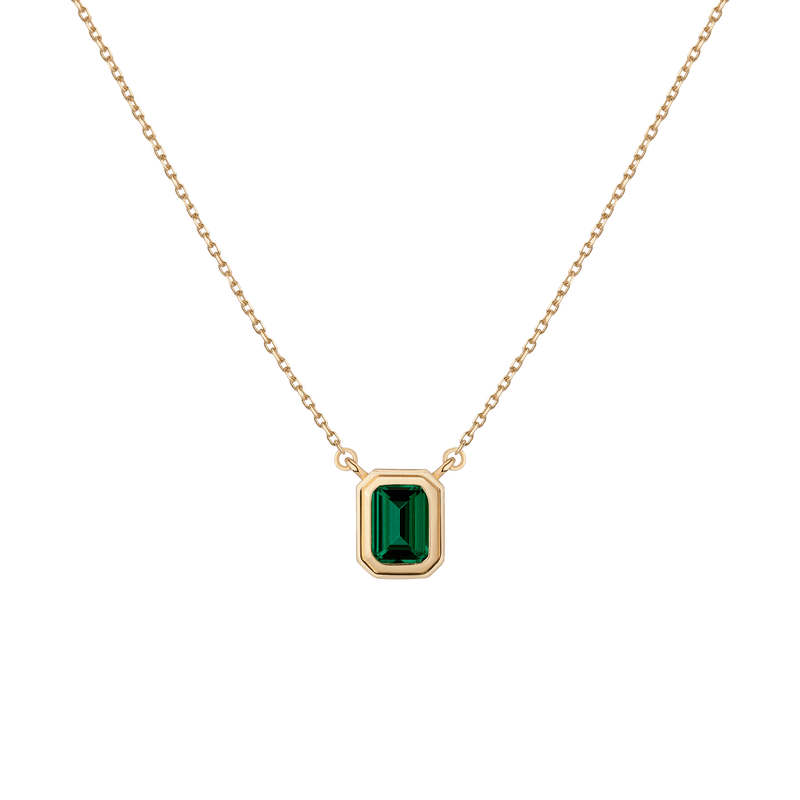
Lab Grown Emerald Heirloom Necklace
ed ut perspiciatis unde omnis iste natus error sit voluptatem accusantium doloremque laudantium, totam rem aperiam, eaque ipsa quae ab illo inventore veritatis et quasi architecto beatae vitae dicta sunt explicabo. Nemo enim ipsam voluptatem quia voluptas sit aspernatur aut odit aut fugit, sed quia consequuntur magni dolores eos qui ratione voluptatem sequi nesciunt. Neque porro quisquam est, qui dolorem ipsum quia dolor sit amet, consectetur, adipisci velit, sed quia non numquam eius modi tempora incidunt ut labore et dolore magnam aliquam quaerat voluptatem.
Frequently Asked Questions
Is a tennis bracelet supposed to be tight or loose?
It should sit snugly but not tight. Aim to fit two fingers between the bracelet and your wrist when clasped, which keeps it secure during movement without cutting off circulation or sliding constantly.
Can you wear a tennis bracelet every day?
Yes, that's exactly what the design was made for. Choose solid gold or well-maintained vermeil, keep the clasp checked, and remove it for swimming or intense workouts to extend its life.
How much does a real tennis bracelet cost?
Authentic tennis bracelets with genuine gemstones typically range from around $1,000 to $20,000, depending on the metal, stone type, and total carat weight. Lab grown diamonds and gold vermeil bring that starting price down considerably without changing the look.